

Discover in complete serenity majestic Istanbul.
From the small Greek colony of Megara to the fairy tale metropolis that it is today, there are three names for such a fabulous destiny which have encountered all civilisations and religions. Greek Byzantium, in 193 when it joined the Roman Empire of Septimius Severus, then in 330, Christian Constantinople, the «New Rome» of the Eastern Roman Empire, and finally, Stamboul, capital of the Ottoman Empire conquered by Mehmet II in 1453.
Istanbul, Stanpolis from the Greek expression (stên Pólê, pronounced stimboli) means « towards the city ». Its fate was sealed by its strategic location and natural beauty. Built on seven hills between Europe and Asia, Istanbul is the only city in the world to be built on two continents.
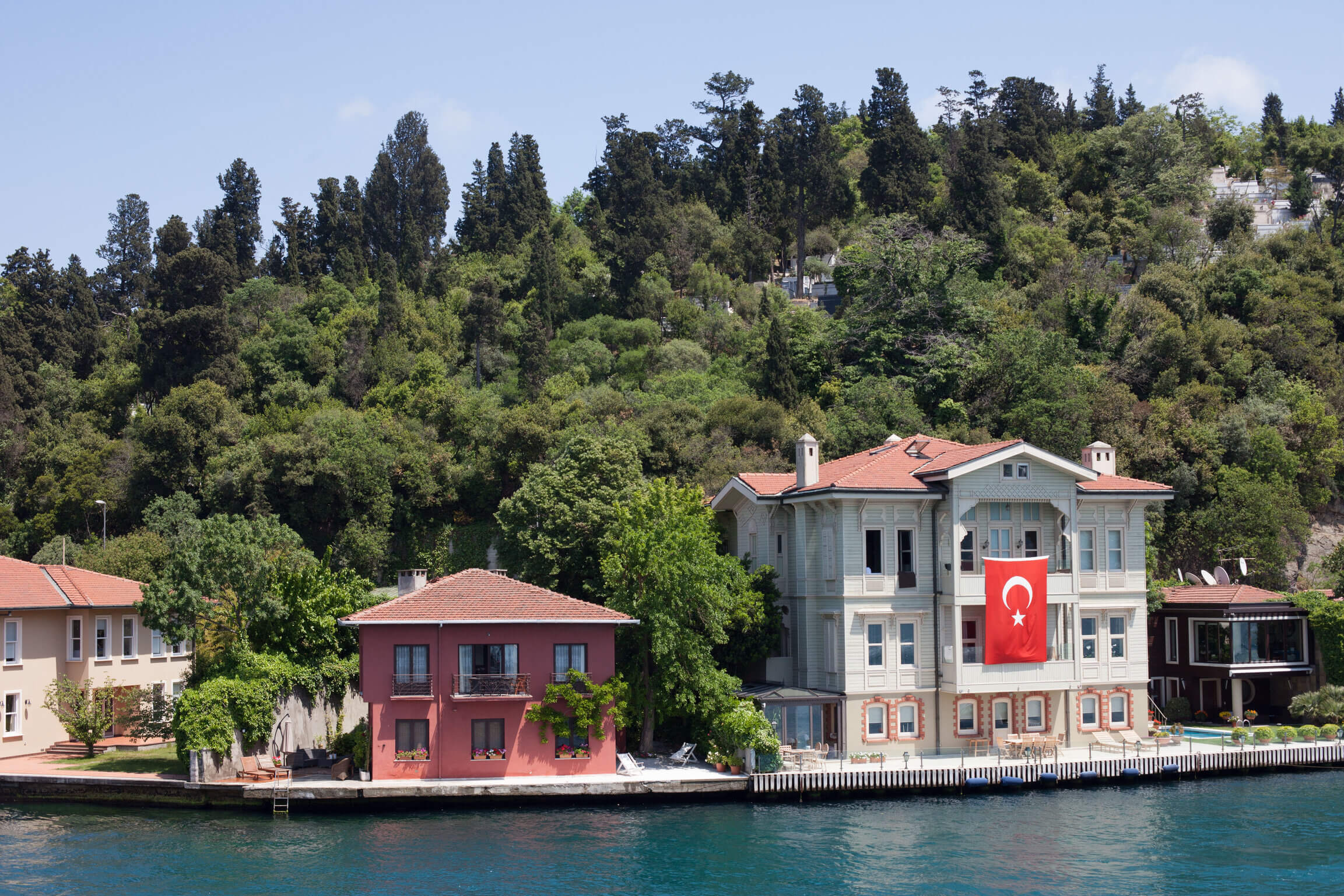
The Bosphorus, whose rich waters from the Black Sea and the Sea of Marmara merge to flow all the way from the Golden Horn into the very heart of the city. One of the highlights of the trip is a boat ride on the Bosphorus.
It was only in 1923 that Atatürk chose Ankara as the capital of modern Turkey, not that it changed much since the city continued with its tremendous expansion, not only as the economic heart of the country but also as one of the most beautiful metropolises in the world.
Istanbul remains an uncontested inspiration and personifies the eternal heroine in the imagination of poets and musicians the world over.
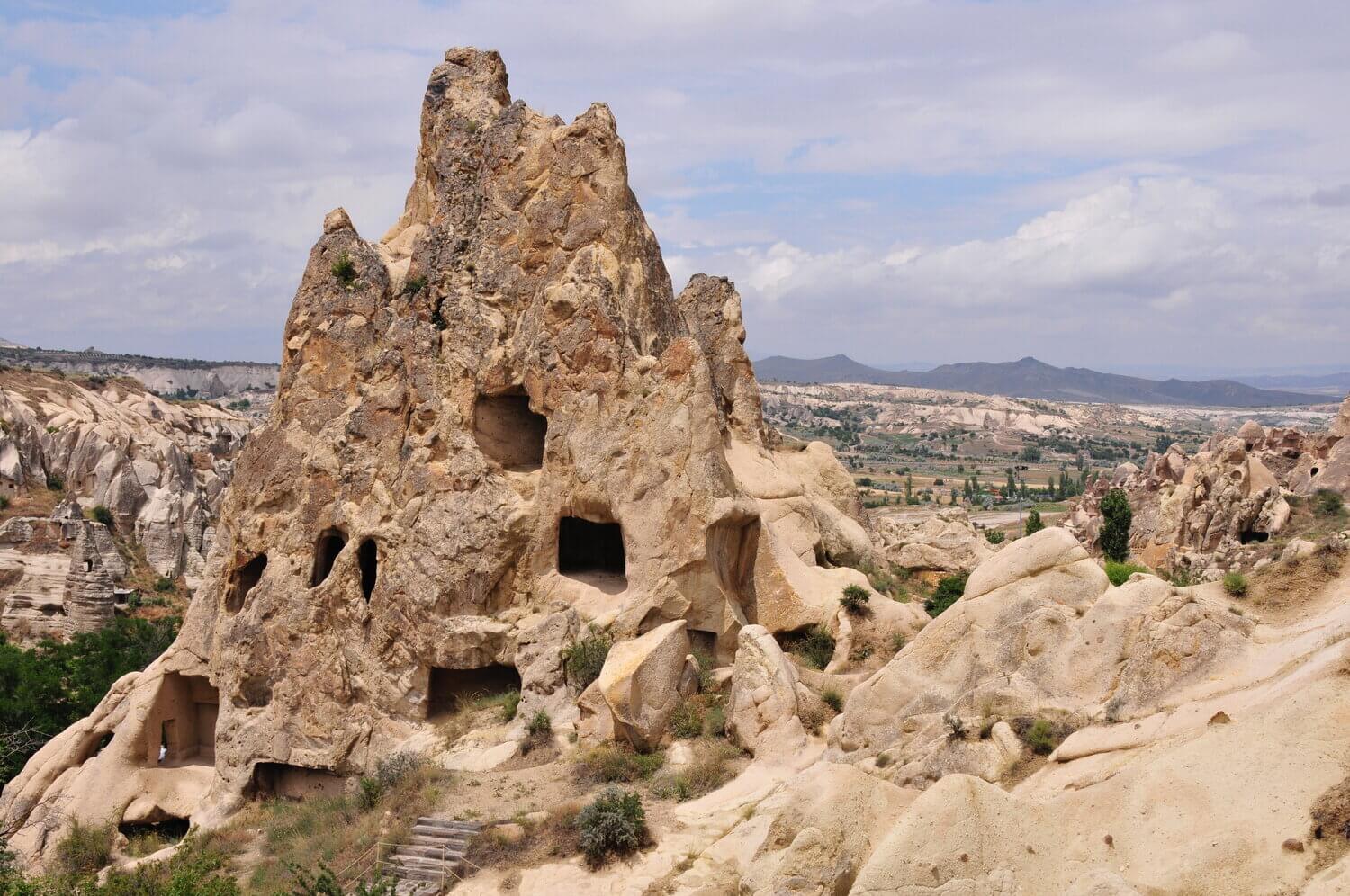
Cappadocia, this fantastic land with its lunar landscapes. A unique region, where nature created a strange and colourful world of columns, needles and cones shaped by the erosion of volcanic tuff.
The colour of the tuff with its various pigments (white, ocher, yellow, beige, grey, pink, purplish) varies according to the rock’s density and chemical composition and can be either in solid blocks of colour or in polychrome layers. Not only is the natural scenery remarkable here, but in this phantasmagorical environment, our ancestors carved the soft stone to construct houses, stalls, churches, hospitals…
The early Christians painted the walls of their chapels with their own interpretations of the Bible. These incredibly beautiful frescoes demonstrate the creativity and fervour of their religious beliefs.
Turquoise Coast
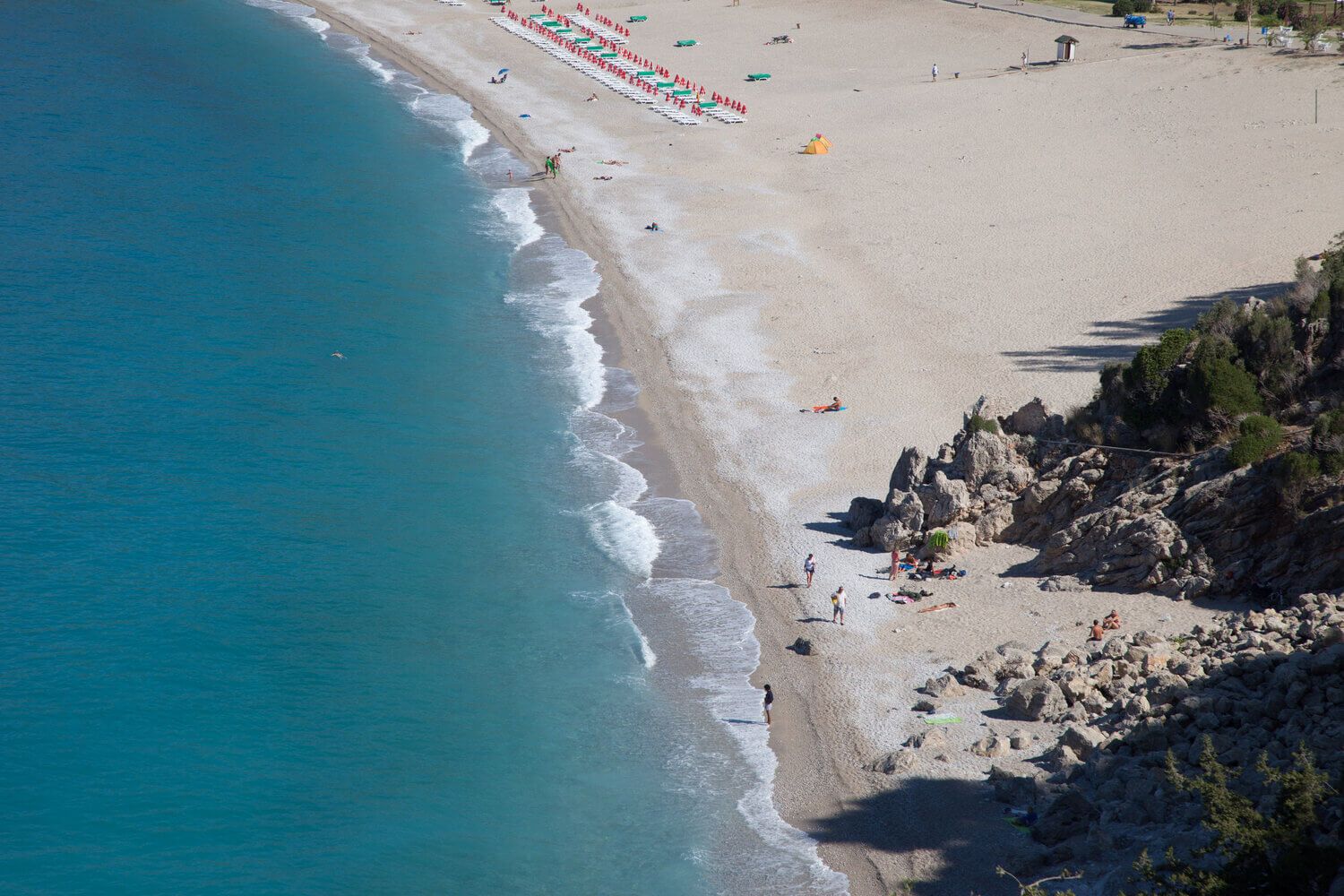
Jump into Turkey’s supremely clear and inviting waters just once and you’ll dream about it for the rest of your life. Really, it’s that gorgeous. From Cesme to Bodrum to Fethiye and beyond—the options for exploring and enjoying are seemingly endless. You can spend some time doing little or nothing at one of several spectacular hotels and beach resorts, or take the time to cruise the coast on a gulet and drop anchor in quiet coves and rocky bays. While the emphasis may be on the area’s physical beauty, there’s plenty of physical activity and archaeological interest to keep you busy. And, of course, you’ll want to save some time for fantastic shops and restaurants.
Ephesus
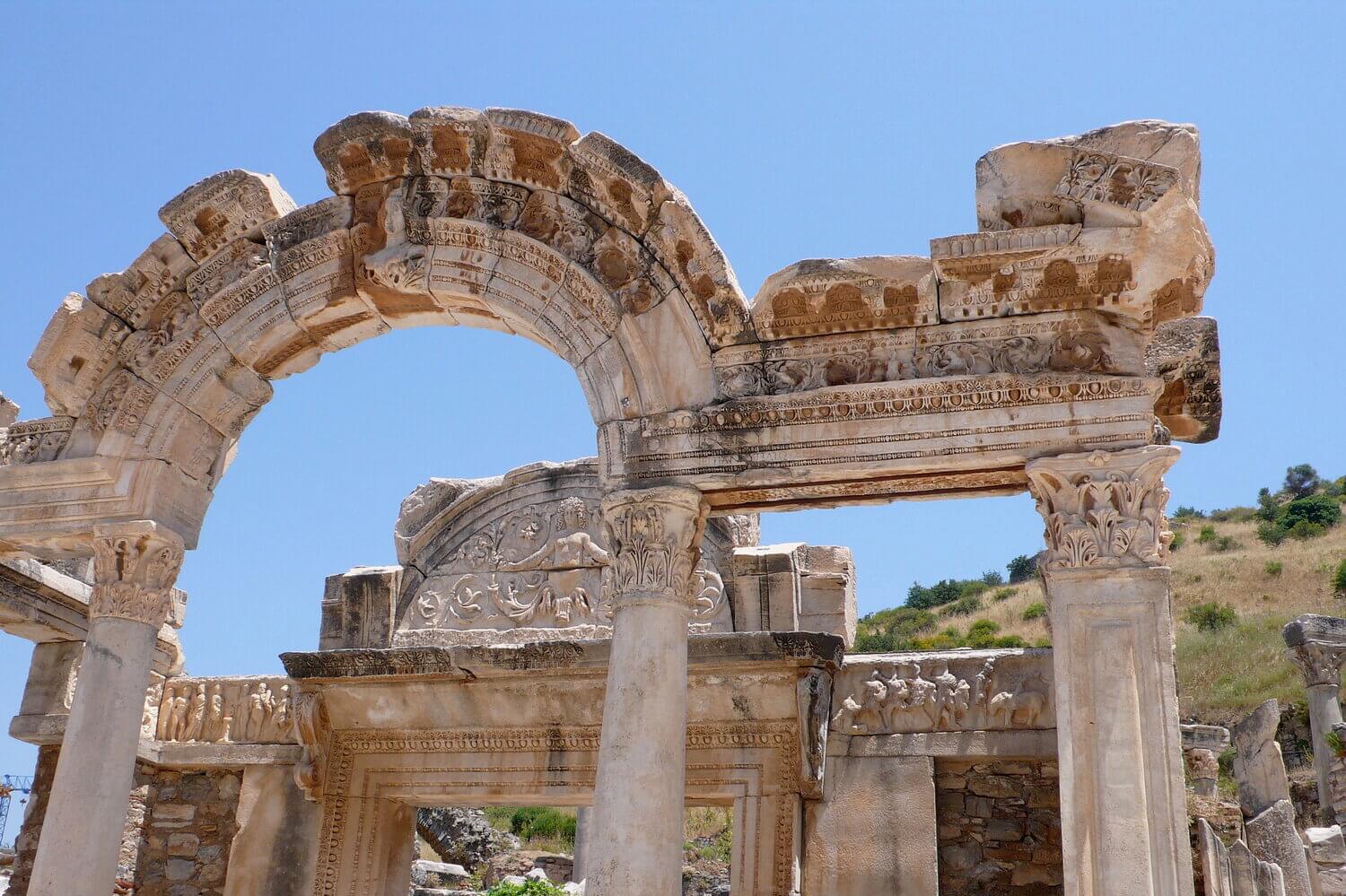
Turkey is positively spoilt with ancient ruins. You can find millennia-old remnants of the Greeks and Romans throughout the country. But nowhere will you find them in such pristine abundance as the ancient city of Ephesus. Original stone paved streets wind past monumental ruins of temples, town squares, amphitheatres, baths, shops, and houses. Parts of this vast UNESCO World Heritage Listed site are still being excavated, but there’s more than enough already to give you a real feel for life in classical times.
Black Sea
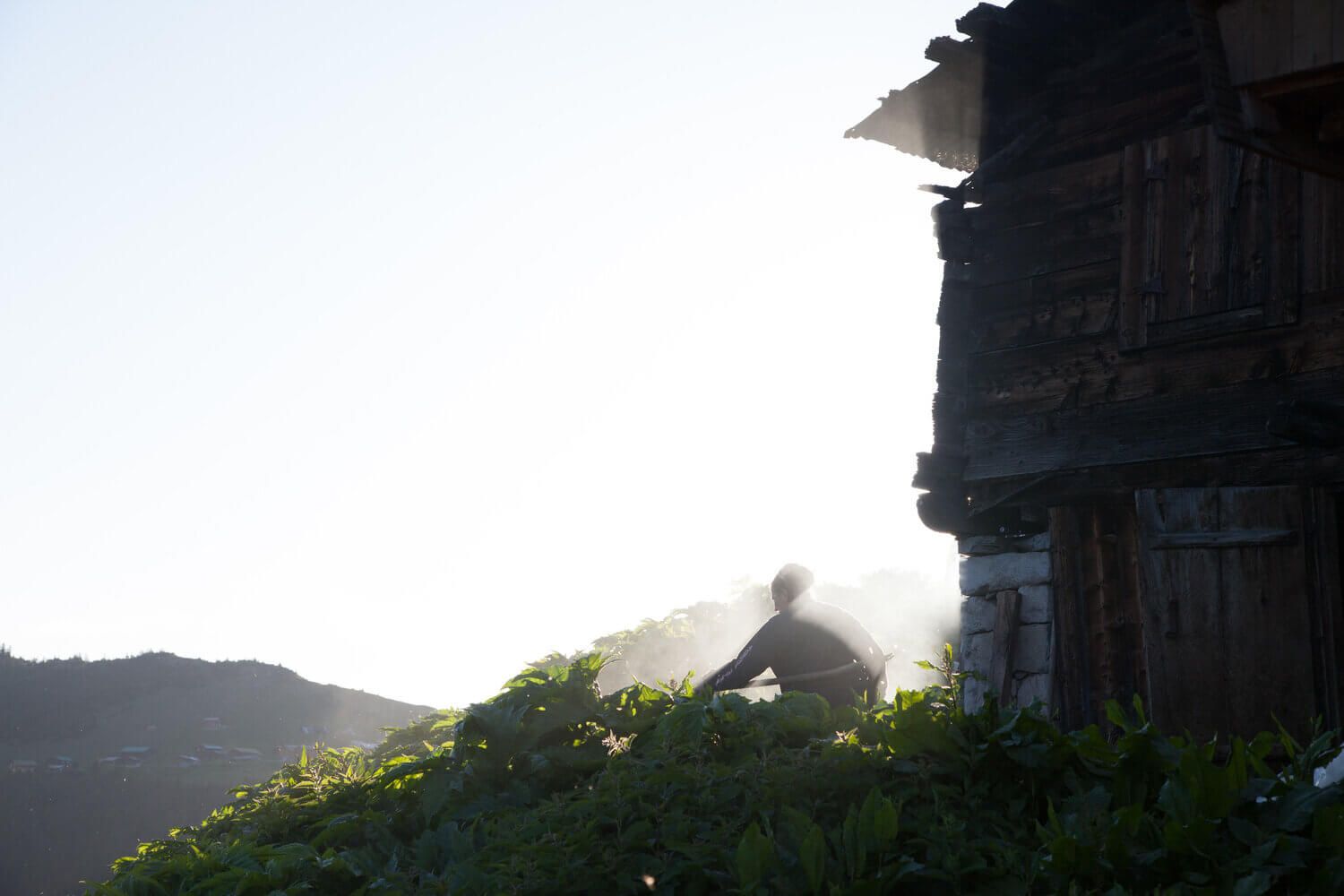
The Black Sea forms virtually the entirety of Turkey’s northern border. And yet, this 1500 kilometre coastline isn’t the main attraction. People make their way far east to the Black Sea region primarily to enjoy the spectacular mountains that rise up from the coast. Here the landscape is deep green and wild, and life is low-key and deeply traditional. Thick forests give way to alpine meadows, gushing rivers, and tiny hamlets of stone and wood houses. Hiking trails bring you close to real Turkish life, birds and animals, and extraordinary sights like the precariously perched Sumela Monastery.
Southeastern Anatolia
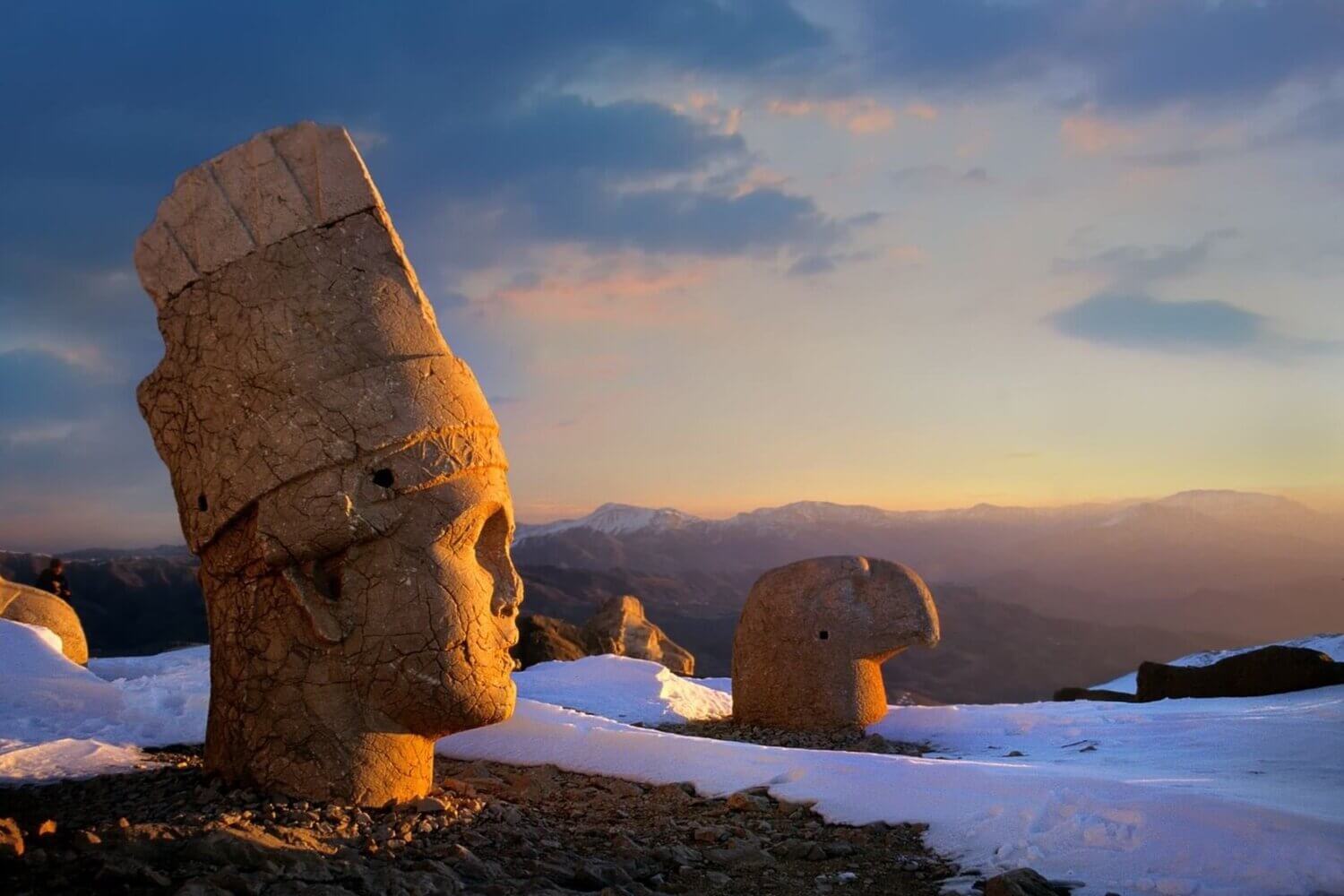
History has been marching across the arid landscape of Turkey’s lower right-hand quadrant for thousands of years. Crusaders, invaders, and traders have left many a mark on this fascinating region—cultural, architectural, and culinary. Colossal (and improbable) stone statues atop Mt. Nemrut stand in homage to an ancient king, while 1500-year-old mosaics are an artistic reminder that the Romans were definitely there. While remnants of the past provide much food for thought, there are plenty of legendary local treats (kebabs and pistachios, to name two), to nourish the soul of contemporary travellers who come here for a contemporary taste of the ancient Silk Road.